
Frequent impacts, bumps, knocks and jolts on a head and on a torso occur in multiple sports. These events may cause head to rapidly move, which makes brain inside the skull rapidly move as well, squeeze, twist and scratch to the skull, and potentially cause damage to the brain. Individual events can cause brain injury, but just as dangerous are the cumulating events, the load to the brain bigger and smaller events cause over time.
Individual events may cause Traumatic Brain Injuries (TBI)
TBIs range from mild concussions to severe permanent brain damage, and can result in physical, cognitive, social, emotional, and behavioral symptoms, and outcome can range from complete recovery to permanent disability or death. Childhood Traumatic Brain Injuries indirectly affect on psycho-social development dysfunctionalities, learning difficulties, late-onset epilepsy, ADHD, asocial behavior, substance abuse, and mental disorders.
Cumulating bigger and smaller events may cause or contribute to variety of degenerative brain diseases. In both cases Athletes’ Performance may be severly compromized.
Addressing the issue has been slow probably due to the difficulties in recognition of the hazarduous events, and not fully understanding the damaging nature of repetitive events
It is still not widely known or understood that:
1. Concussion and sub-concussive events are caused by rapid head movements.
They aren’t caused by pressure from outside — they’re caused by motion of the head and brain inside the skull.
2. Impact is not needed.
All events making head to rapidly move can cause damage to the brain.
3. Symptoms may take up to 2 days to manifest.
The bigger the movement forces of the head, the more violent the event, and higher the risk of damage.
4. There are no pain receptors in brain tissue.
Athletes do not know when something is wrong.
5. Susceptibility to injury varies.
For example gender, age and concussion history greatly affect to the risk.
6. Cumulative effect usually become visible only later in career, or life.
The events occur, and the damage is done out there today. But in the absence of acute injury, the action which should be taken today is not.

How can we make sports brain safer and healthier in short, medium and longterm
Decrease on all athletes across all athlete pathway…1. NUMBER of events
2. MAGNITUDE of of events
3. FREQUENCY and PROXIMITY of events
... which are causing the head to rapidly move.
Impossible? No. But there is no quick fixes or easy answers. It requires re-thinking and doing on the pitches and sidelines. ACT Head Impact Tracker can help you.
What people say
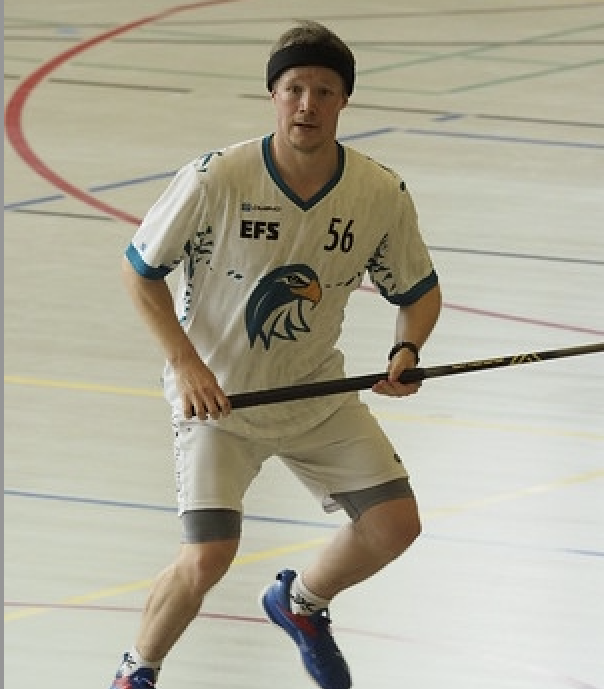
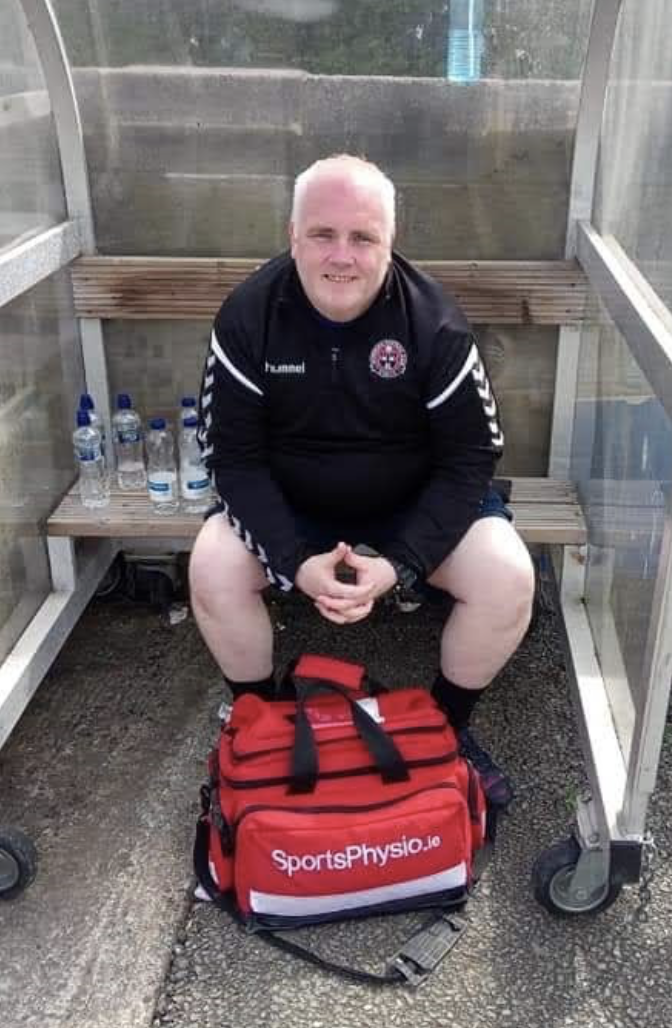
I want to speak openly about this issue and tell people how I am, so that more people could understand what sport concussions - brain injuries - can cause. I didn’t have a clue about any of this back in the days, and if I did I don’t know if it had changed the way I acted, but I probably at least would have thought twice about doing some of the things I did.
Common misconceptions about preventing brain injuries and diseases in sports.
No, it does not. It is not placed between the skull and brain.
Brain trauma is caused by head movement, which makes brain to
move, rotate or twist within the skull, causing shear forces and
potentially damaging brain tissue. Helmets are great in protecting
against skull fractures and soft tissue damage. Many helmets also have
one or more features, such as design and materials to absorb and
distribute impact forces, which can decrease the magnitude of forces
acting on a head and hence help take down the risk of brain injury in
certain types of impacts. Always wear a helmet, but don’t think it
solves the problem. You need to do more.
No, it does not. Mouth guards are designed to protect the teeth, gums, and mouth.
Brain injuries are caused by sudden and forceful head movements, which makes the brain move rapidly within the skull. Mouth guards are not primarily designed to absorb or dissipate the forces associated with such impacts. Do wear a mouth guard to protect your teeth, gums and mouth, but don’t think it solves the problem with
brain trauma. You need to do much more.
Yes, there is. A sudden and severe jolt to the head can cause traumatic brain injury (TBI).
It does not have to be a direct impact. TBIs can result from various types of events including impacts, jolts, falls, blows, and more. The key is the head movement which causes brain to collide with the inside of the skull.
No, it will not. While individual lower magnitude events may not pose a significant risk of brain injury, there is great concern about the cumulative effect of repetitive events over time.
Do technique training less in repetitions, but more in quality. Graphical illustrations and data in ACT Head Impact Tracker App can help you to develop the best techniques in heading,
Yes, they do. Clearly all the athletes will not get injured or permanent damages. But there is just too many who will. The risk should and could be made significantly lower.
Sure the gears have developed and are better now than then. But the game, training and athletes have developed even faster. The scientific facts are not to be over-looked, any one injured is one too many. The junior athletes and their families in sports like football must be able to trust the sports and grass root organizations in them to make everything in their power to keep the athletes safe and promote their health.
Yes, you can do things to prevent brain injuries and diseases. Decrease the number, magnitude, frequency and proximity of impacts and forces acting on a head.
Brain injury does not compare with a twisted ankle. If damage caused in sports only manifests later in life, it is still an issue of sports and should be addressed in sports. It is the only way to improve the health and wellbeing of athletes in short, medium, and long term.
What people say

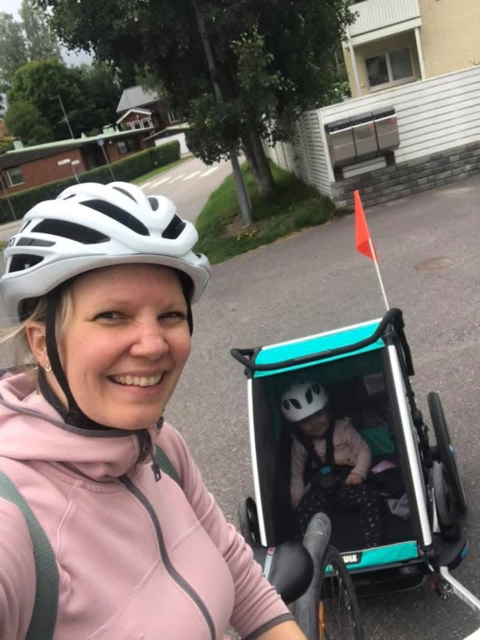
Developed for the athletes
We have been very fortunate to work with the best in class in our development and testing.
Our promise: We continue working hard every day to become ever better in
providing objective, relevant and actionable information on forces
acting on a head.
Your promise: Use the data to proactively improve the health, well-being
and performance of athletes in short, medium and long-term.


